Understanding German Certificates: A Comprehensive Guide
Germany is renowned for its abundant cultural heritage, sensational landscapes, and considerable contributions to science, viewpoint, and the arts. One integral element of modern Germany is its commitment to education and abilities advancement, which is reflected through various certification programs readily available to both native speakers and non-native students. This blog site post intends to supply an extensive take a look at German certificates, including the types available, their importance, and how they benefit people in both personal and professional worlds.
What are German Certificates?
German certificates act as official paperwork that demonstrates proficiency in the German language, the completion of instructional programs, or vested knowledge in particular skills and trades. These certificates can be important for people aiming to study, work, or live in Germany, providing a recognized validation of one's abilities and accomplishments.
Kinds Of German Certificates
The following table details the major kinds of German certificates readily available:
| Type of Certificate | Purpose | Target market |
|---|---|---|
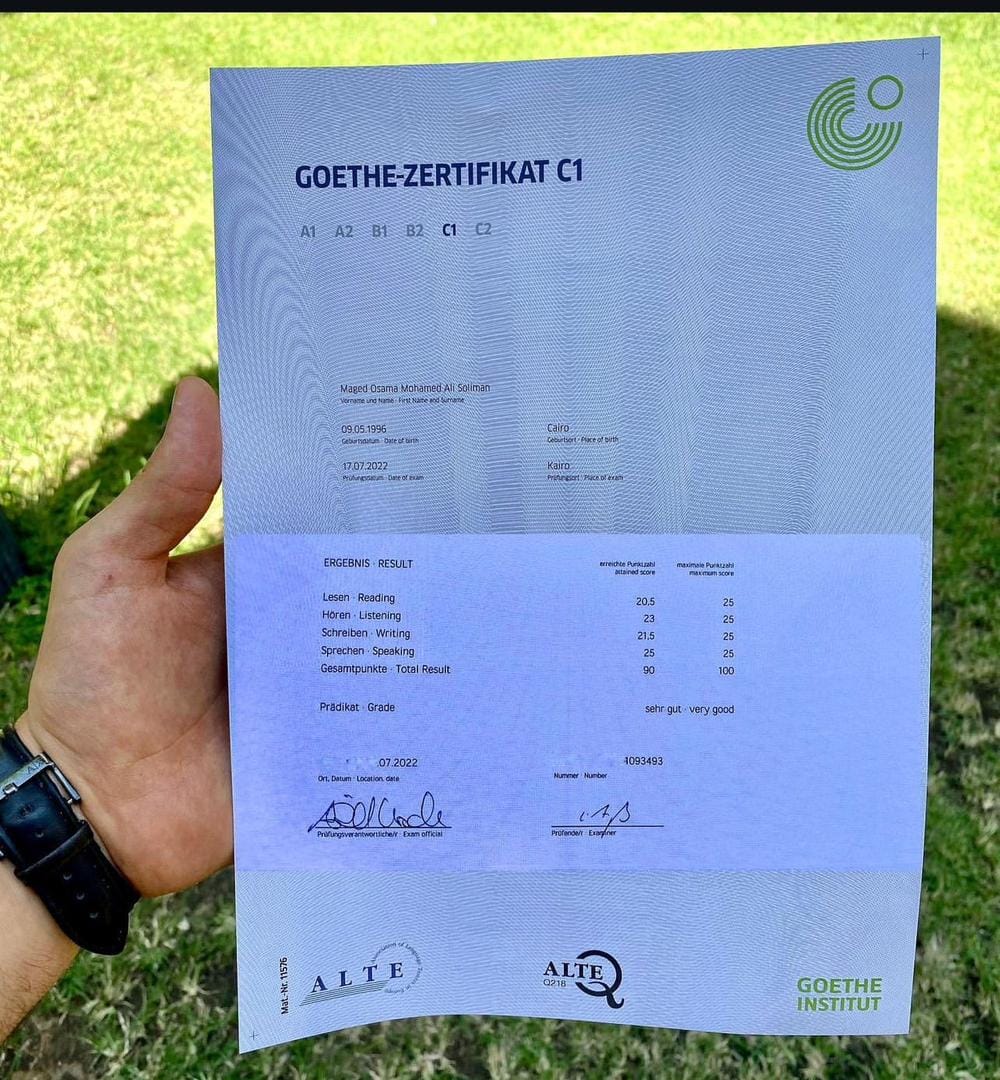
| German Language Proficiency Certificates | Evaluate efficiency in the German language (e.g., Goethe-Zertifikat) | Non-native German speakers |
| University Degree Certificates | File conclusion of college programs | Students and professionals |
| Vocational Training Certificates | License abilities and training in specific trades | Apprentices and tradespeople |
| Professional Certifications | Recognize accomplishments in specialized fields (e.g., IT, Engineering) | Professionals looking for improvement |
| Cultural and Historical Certificates | Confirm participation in cultural research studies or workshops | Culture lovers and learners |
1. German Language Proficiency Certificates
German language efficiency certificates are essential for anyone wishing to study in Germany or operate in a German-speaking environment. Some recognized exams consist of:
- Goethe-Zertifikat: Offered by the Goethe Institute, it evaluates language skills from A1 (novice) to C2 (near-native proficiency).
- TestDaF: Designed for international trainees wishing to register in German universities, it matches B2 to C1 efficiency levels.
- DSH (Deutsche Sprachprüfung für den Hochschulzugang): Another university language exam, primarily targeted at trainees from non-German-speaking nations.
2. University Degree Certificates
Germany hosts a few of the world's leading universities, and acquiring a degree here can significantly boost one's profession potential customers. Universities provide certificates upon successful completion of a bachelor's, master's, or doctorate program.
3. Vocational Training Certificates
Occupation training in Germany is highly concerned, blending theoretical knowledge with practical experience. Programs can result in certificates like the IHK (Industrie- und Handelskammer) qualification, which is recognized in various industries.
4. Expert Certifications
Various expert boards and companies use certifications in specialized fields such as IT, health care, and engineering. Qualified specialists frequently require these certificates to verify their skills and improve their profession potential customers.
5. Cultural and Historical Certificates
Cultural organizations might use certificates that demonstrate individual engagement in German culture, art, or historic studies. These frequently serve personal enrichment functions.
Value of German Certificates
Benefits in Education
Acquiring a German language efficiency certificate is necessary for those preparing to attend university in Germany. Universities in the country frequently require evidence of language abilities, especially for courses conducted in German.
Advantages in Employment
From a profession perspective, having a recognized German certificate provides candidates with an one-upmanship in the job market. Companies often concern accreditations as a testament to a candidate's commitment to professional advancement and proficiency of relevant abilities.
Personal Development
Pursuing certification is not only helpful for profession development; it also promotes personal development. Engaging with German language and culture promotes a deeper understanding and appreciation for the country's history and social characteristics.
How to Obtain a German Certificate
Steps to Follow
- Research study: Determine which kind of certificate is necessary based upon your objectives, whether educational, employment, or cultural.
- Enlist: Sign up for a preparation course if needed. Numerous institutions provide classes customized to effectively passing tests.
- Research study Thoroughly: Dedicate enough time to study. Use a range of resources, such as books, online modules, and language exchange partners.
- Take the Exam: Register and go to the evaluation. Ensure you understand the format and requirements of the specific test.
- Get Your Certificate: If successful, you will receive a formal certificate. Be sure to keep it secure, as it might be needed for task applications or university admissions.
Frequently asked questions
Q1: How long does it require to prepare for a German language certificate?A1: Preparation
time differs considerably depending on your current efficiency level, the particular exam required, and the strength of your research study strategy. Normally, it may take several months of consistent research study. Zertifikat B1 Deutsch : Are German certificates recognized internationally?A2: Yes, many German language certificates, particularly those from recognized institutions like the Goethe Institute and TestDaF, are commonly recognized by education and companies all over the world. Q3: Can I take online courses to prepare for these certificates?A3: Yes, numerous organizations use online courses
focusing on language proficiency and different fields of research study. Online platforms can provide excellent resources for self-study. Q4: Do I need to be skilled in German to look for university programs in Germany?A4: Generally, you will require to demonstrate enough German language proficiency for programs used in German. Programs in English may have different requirements. Q5: What is the importance of employment training certificates in the job market?A5: Vocational training certificates are highly valued in Germany's strong economy.
They supply practical skills that align carefully with market requirements, making holders attractive candidates for work. Navigating the landscape of German certificates can be crucial for anybody looking to study or work in Germany. Whether for language efficiency, academic achievement, or vocational skills, these credentials boost a person's potential and open many doors in both individual advancement and expert profession paths. By understanding the types of certificates offered and the procedures involved in acquiring them, people can make educated decisions that will considerably benefit their future in this dynamic nation.